Scam Airdrops: How to Spot Fake Crypto Drops and Protect Your Wallet in 2026

You see it pop up on your feed or land in your direct messages. It’s too good to be true: a free drop of tokens from a project you’ve been watching, promising thousands of dollars for simply connecting your wallet. The excitement hits hard. You click the link. You sign the transaction. And suddenly, your balance is zero.
This isn’t just bad luck; it’s a calculated trap. In the world of blockchain, legitimate cryptocurrency airdrops are marketing tools used by projects like Uniswap or Arbitrum to distribute governance tokens and build community. But scammers have hijacked this concept. They use the same terminology, similar branding, and the universal human desire for free money to drain wallets dry. As we move through 2026, these scams have become more sophisticated, leveraging AI and deepfake technology to blur the line between real and fake.
The Anatomy of an Airdrop Scam
To avoid being tricked, you first need to understand how the trap is set. Scammers don’t just send you a spam email anymore. They create elaborate ecosystems designed to look exactly like legitimate Web3 campaigns.
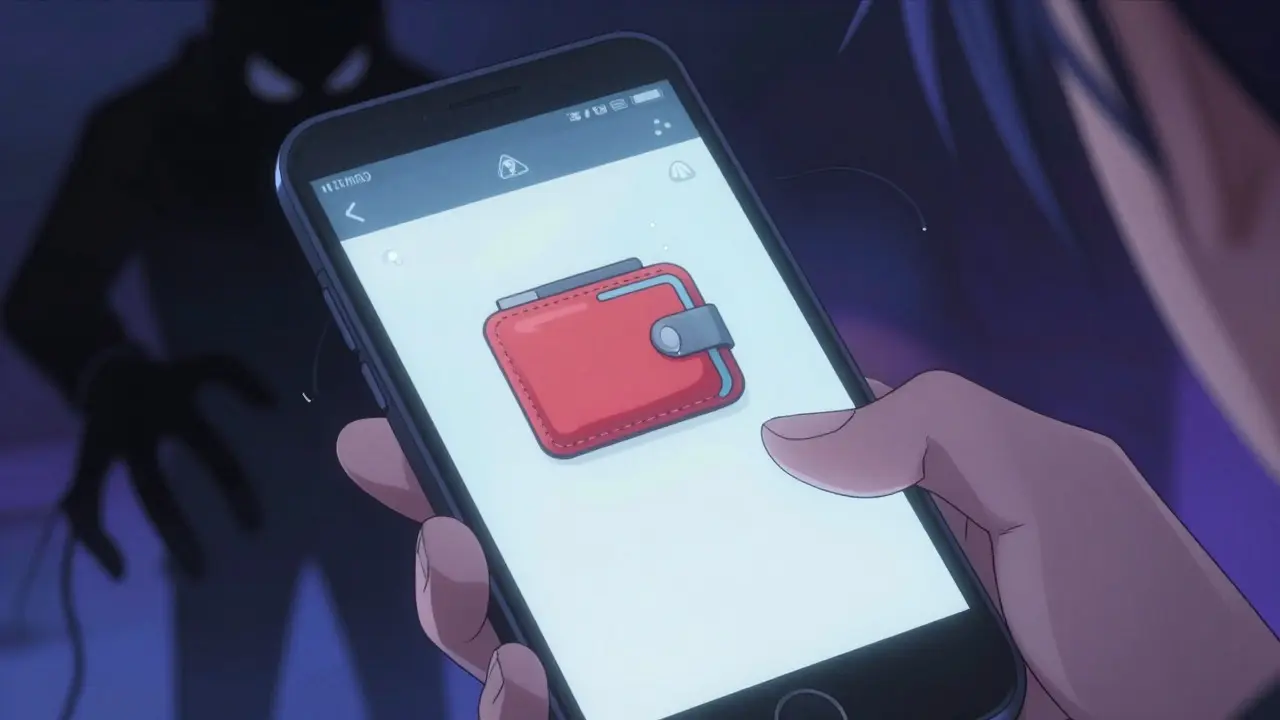
The most common method involves wallet drainers. These are malicious smart contracts that, once approved by your wallet, grant the attacker unlimited access to your assets. Here is how it typically plays out:
- The Hook: You receive a message claiming you are eligible for an exclusive airdrop from a popular project (like Hamster Kombat or Wall Street Pepe, which saw massive scam activity in 2024-2025).
- The Lure: The website looks professional. It uses the official logo, color scheme, and even mimics the language of the real team. Some even use AI-generated videos of famous figures endorsing the drop.
- The Trap: To "claim" your tokens, you must connect your wallet (like MetaMask) and sign a transaction. The interface might say "Claim Tokens," but behind the scenes, the code says "Approve Unlimited Spend."
- The Drain: Once signed, the scammer’s bot instantly sweeps your ETH, USDT, or other valuable assets. The "free" tokens you received are often worthless junk or malicious scripts themselves.
Another variant asks for your seed phrase or private key under the guise of "verification." Legitimate protocols never ask for this. If a site asks for your 12-word recovery phrase, close the tab immediately. That is the master key to your entire digital life.
Red Flags: How to Spot a Fake Before You Click
Distinguishing between a genuine opportunity and a fraud requires a keen eye for detail. Scammers rely on urgency and FOMO (Fear Of Missing Out) to make you skip the verification step. Here are the specific warning signs you should memorize.
| Feature | Legitimate Airdrop | Scam Airdrop |
|---|---|---|
| Source | Official project Twitter/Discord/Website | Random DMs, unverified Telegram groups, suspicious URLs |
| Cost | Usually free (gas fees only) | Asks for upfront payment, "taxes," or seed phrases |
| Token Name | Clean name matching the project | Contains URLs (e.g., "FREE-BTC.com") or random characters |
| Communication | Professional, transparent criteria | Poor grammar, urgent threats, vague details |
| Wallet Interaction | Read-only connections or standard claims | Requests "Unlimited Approval" or connects to unknown domains |
Pay special attention to the URL. Scammers often buy domains that look slightly different from the real one. For example, if the real site is uniswap.org, a scam might use uniswap-airdrop-claim.net. Always check the domain carefully.
Also, watch out for tokens with embedded links in their names. Security experts at Uniswap have warned that seeing a token named something like "CLICK-ME-HERE" in your wallet is a definitive sign of a scam. These tokens are designed to trick you into interacting with them, triggering the malicious contract.
The Evolution of Threats in 2026
The landscape of crypto fraud has changed drastically. In the early days, scams were obvious phishing emails. Today, they involve high-tech social engineering. According to Chainalysis data, global cryptocurrency scam damages exceeded $9.9 billion in recent years, with airdrop scams being a significant contributor.
In May 2025, Coinbase faced a sophisticated attack where insiders leaked user data, allowing scammers to impersonate customer support staff. This highlights a new trend: personalized scams. Scammers now know your name, your wallet address, and your transaction history. They use this data to craft messages that feel incredibly authentic.
Furthermore, the rise of AI allows scammers to generate deepfake audio and video. Imagine receiving a video call from what looks like Vitalik Buterin or a CEO of a major exchange, telling you to claim an emergency airdrop. Without verifying the source through multiple independent channels, it’s easy to fall for this.

Practical Steps to Secure Your Wallet
Prevention is better than cure, especially when crypto transactions are irreversible. Here is a concrete checklist to protect yourself.
- Use a Burner Wallet: Never connect your main wallet holding your life savings to a new or unknown website. Use a secondary wallet with minimal funds for testing interactions and claiming potential airdrops.
- Revoke Permissions Regularly: Tools like Revoke.cash allow you to see which contracts have access to your wallet. If you accidentally approve a malicious contract, revoke it immediately before the scammer can drain your funds.
- Hide Unknown Tokens: Most wallets allow you to hide specific tokens. If you see a strange token appear in your wallet after visiting a suspicious site, hide it. Do not try to swap it, send it, or interact with it. Interaction triggers the code.
- Verify Through Official Channels: Go directly to the project’s official Twitter or Discord. Check their pinned posts. If the airdrop isn’t announced there, it’s likely fake. Ignore direct messages from "admins" unless you verify their identity via a second channel.
- Enable Hardware Wallets: While hardware wallets like Ledger or Trezor keep your private keys offline, remember they cannot stop you from signing a bad transaction. However, they add a physical layer of confirmation. Always double-check the transaction details on the device screen before approving.
What to Do If You’ve Been Scammed
If you suspect you’ve fallen victim to an airdrop scam, act fast. Time is critical.
- Move Remaining Funds: Immediately transfer any remaining assets to a new, secure wallet. The old wallet is compromised.
- Revoke Approvals: Use a revocation tool to cut off access to all connected contracts.
- Report It: Report the scam to the platform where you encountered it (Twitter, Telegram, etc.) and to relevant authorities. While recovery is rare, reporting helps blacklist the scammer’s addresses.
- Learn and Adapt: Analyze what went wrong. Did you miss a red flag? Understanding the mistake prevents future losses.
Remember, in the decentralized world, you are your own bank. That means you are also your own security guard. Stay skeptical, verify everything, and never let greed override caution.
How do I know if a crypto airdrop is real?
A real airdrop will always be announced on the project's official verified social media channels and website. Check the URL carefully for typos. Legitimate airdrops rarely ask for upfront payments or your seed phrase. If it feels too good to be true, it almost certainly is.
Can a hardware wallet prevent airdrop scams?
Partially. A hardware wallet keeps your private keys safe from malware on your computer. However, if you physically press the button to approve a malicious transaction on the device, the funds can still be drained. Hardware wallets protect against theft, not user error.
What should I do if I see a strange token in my wallet?
Do not interact with it. Do not try to swap, sell, or send it. Simply hide the token in your wallet settings. Interacting with the token may trigger a malicious smart contract that drains your other assets.
Are all airdrops free?
Most legitimate airdrops are free, though you may need to pay network gas fees to claim them. Be wary of any airdrop that asks you to send ETH or USDT first to "unlock" your rewards. This is a classic advance-fee scam.
How do wallet drainers work?
Wallet drainers trick you into signing a transaction that grants the scammer unlimited spending approval on your tokens. Once approved, their bots automatically detect your assets and sweep them to their own wallets within seconds.
15 Comments
Write a comment





Heather Austin
July 18, 2026 AT 15:47honestly this is just basic hygiene at this point but people still fall for it every single day. the part about hiding unknown tokens is crucial because most wallets will let you interact with them by accident if you arent careful. i always keep a burner wallet specifically for clicking links and claiming stuff so my main stash stays safe from any potential drainers or malicious contracts.
Ran Tao
July 18, 2026 AT 18:11Oh please, another article telling us to be afraid of our own shadows 🙄. You know what actually drains wallets? High gas fees and incompetent devs building on L2s that barely work. But sure, blame the 'scammer' instead of realizing that connecting your wallet to ANY dApp is inherently risky in this unregulated wild west we call Web3. I lost 0.05 ETH last week to a bridge exploit and nobody cares because it's 'user error'. Typical. 😒
Lisa Chong
July 19, 2026 AT 00:45The whole system is rigged from the start!!! They want you to think you can protect yourself with these little tips but its all an illusion created by the central banks and tech giants to keep you poor. The seed phrase scam is just the tip of the iceberg. Look at who owns the servers hosting these exchanges. Its all connected. Wake up sheeple before they drain not just your crypto but your very soul through the digital ether. Trust no one. Not even this post.
Josephine Finlayson
July 20, 2026 AT 11:44This is such a helpful guide! It really breaks down the steps clearly without being too technical. I especially appreciate the emphasis on using hardware wallets, even though they don't stop everything, they do add that extra layer of security which gives me peace of mind. Thank you for sharing this important information!
Tuan Nguyen
July 21, 2026 AT 18:46Average user commentary. The concept of 'verifying official channels' is naive when deepfakes can replicate video calls indistinguishably from reality. We are entering an era where trust is obsolete. The only true security is cold storage disconnected from the internet entirely, yet here we are discussing browser extensions as if they offer meaningful protection against state-level actors or sophisticated syndicates.
Hazel Fruitman
July 23, 2026 AT 03:35i mean like duh right? why do people still give their seed phrases away?? it is literally written everywhere not to do it. it makes me so mad that people are so greedy they cant see the obvious red flags. just use common sense already and stop trying to get rich quick off free tokens that dont even exist.
Autumn Story
July 24, 2026 AT 03:16I really hope everyone reads this carefully!! It’s scary how many scams are out there, but staying informed is the best way to stay safe. I always double-check URLs now, and it has saved me so many times. Let’s look out for each other and share these tips with friends who might not know better! 💖
Mark Tuason
July 24, 2026 AT 15:24Thank you for the comprehensive overview. The distinction between legitimate marketing tools and malicious drainers is often blurred for newcomers. Utilizing a secondary wallet for interactions is indeed a prudent strategy that mitigates significant risk exposure.
Alicia Hull
July 24, 2026 AT 18:45While the advice is sound, one must consider the psychological manipulation tactics employed by these scammers. They exploit FOMO effectively. How does one combat the emotional urge to click when presented with a 'limited time offer'? The technical safeguards are useless if the human element fails under pressure.
Johan Otto
July 26, 2026 AT 17:18Boring. Everyone knows this. My uncle lost his house to a guy named Bob who promised him moon rocks. This is nothing compared to real life drama. At least crypto scams are fast. Real pain takes years. Anyway, good luck with your tokens losers.
Anuj Kashyap
July 28, 2026 AT 01:19The irony is palpable isn't it? We built a decentralized utopia to escape bank control, only to create a playground for digital bandits who require zero infrastructure to operate. The 'free money' mentality is the root cause. As long as greed drives participation, the drainers will feast. 🤷♂️
Tracy Marshall
July 29, 2026 AT 16:05They are watching you through your webcam while you read this. The seed phrase is just the beginning. Once they have your biometric data from those 'verification' scans, you are owned. Disconnect from the grid. Go back to gold coins buried in the backyard. That is the only freedom left.
Guy Davis
July 31, 2026 AT 09:54Stop being stupid. If it looks fake it is fake. Why do we need articles for this?
KEITH WONG
August 2, 2026 AT 02:33Listen up chumps 📢. Most of you are walking ATMs for these script kiddies. Revoke.cash is your friend. Use it. If you dont know what approvals are, you deserve to get drained. Stay woke or stay broke. No excuses. 🔥💸
Natalie Lucas
August 4, 2026 AT 02:27omg yes!! i almost clicked a link yesterday that looked super legit but then i remembered to check the url. thank god i did. lets keep each other safe out there!! crypto can be fun if we are smart about it. high five to anyone reading this 👋