Iraq Crypto Mining Ban: History, Enforcement, and Underground Reality

Imagine trying to buy a cup of coffee with Bitcoin in Baghdad. It’s not just difficult; it’s technically illegal. Since 2017, the Central Bank of Iraq (CBI) has enforced a strict prohibition on cryptocurrency trading and mining. This isn’t a temporary glitch or a misunderstood policy-it is one of the most comprehensive bans on digital assets in the world. As we move through 2026, this ban remains firmly in place, creating a unique tension between government regulation and an active, albeit hidden, community of crypto enthusiasts.
If you are looking to mine Bitcoin in Iraq or trade Ethereum openly, you need to understand the legal landscape first. The rules here are not subtle. They are designed to cut off access entirely. But like any heavy-handed restriction, they have spawned a complex underground economy. Let’s look at why the ban exists, how it is enforced, and what life looks like for those who still participate in the market despite the risks.
The Origin of the Ban: Why 2017 Changed Everything
To understand the current situation, we have to look back at 2017. That year marked a turning point for global cryptocurrency adoption, but for Iraq, it marked the beginning of total exclusion. The Central Bank of Iraq issued a directive that effectively outlawed all transactions involving digital currencies. This included banning the use of digital cards and electronic wallets for speculation in cryptocurrencies of any kind.
The reasoning behind this decision was rooted in three main concerns:
- Financial Crime Risks: Authorities feared that the anonymity of cryptocurrencies would facilitate money laundering and terrorist financing, issues that had plagued the region for years.
- Lack of Regulatory Control: Digital currencies operate outside traditional banking frameworks. For a central bank trying to maintain monetary stability, unregulated assets are seen as a direct threat to national financial security.
- Consumer Protection: With high volatility and no investor safeguards, the CBI worried about citizens losing their savings in speculative bubbles.
This stance was reinforced later by religious authorities. In 2018, the Kurdistan Regional Government’s Supreme Fatwa Committee issued a ruling against OneCoin, a notorious scam project. While OneCoin was fraudulent, the broader implication was clear: Islamic scholars in Iraq viewed many crypto assets as contrary to Islamic law due to their speculative nature and lack of intrinsic value. This dual pressure from both secular banking authorities and religious bodies created a formidable wall against legalization.
Enforcement: Arrests, Silence, and Legal Ambiguity
So, what happens if you break the rules? The enforcement mechanism in Iraq is a mix of strict institutional bans and inconsistent individual prosecution. On paper, the law is absolute. Banks cannot process crypto-related transactions, and exchanges operating within the country face immediate shutdown.
However, the reality on the ground is murkier. According to sources within the underground trading community, there have been arrests. At least two individuals were reportedly detained for activities related to cryptocurrency operations. Yet, legal experts paint a different picture. Hayan Al-Khayyat, a prominent lawyer in Iraq, noted that he has not heard of any formal trials specifically charging individuals with cryptocurrency trading or mining. This suggests that while authorities may detain suspects under broader charges-such as fraud or unauthorized business practices-they rarely prosecute solely for holding or trading crypto.
This ambiguity creates a dangerous gray area. You might not go to jail for having Bitcoin, but your assets could be seized, or you could face harassment if your activities draw attention. The message from the state is clear: do not make noise, and do not involve banks.

The Underground Economy: How Trading Persists
Bans rarely kill demand; they just drive it underground. In Iraq, a vibrant shadow market for cryptocurrencies has emerged. Traders like Ahmed Crypto, a 33-year-old resident of Baghdad, represent this demographic. Ahmed holds approximately $10,000 worth of digital assets and manages his portfolio through discreet channels, including private Facebook pages.
"The Central Bank's position is backward," Ahmed argues. He believes that with proper legislation, cryptocurrencies could benefit both traders and the state through taxation and oversight. Instead, the ban forces him to keep his operations secret. He previously worked from an office but moved to remote, secure methods after receiving warnings from authorities.
Meetings among miners and traders happen in hushed tones in cafes. Trust is paramount because there are no legal contracts to fall back on. Peer-to-peer (P2P) networks thrive here, relying on personal reputation rather than platform guarantees. Another community member, Ashur Al-Nuaimi, echoes Ahmed’s sentiment, suggesting that the financial institutions simply lack understanding of blockchain technology. "Fear leads to avoidance," he says, noting that the government’s ignorance of how decentralized systems work fuels the prohibition.
Despite the risks, the community persists. As Ahmed puts it, "Whatever you do, we will find alternative ways and precautions to avoid prosecution." This resilience highlights a common theme in banned markets: when people want access to global finance, they will find a way.
Impact on Business and Cross-Border Payments
The ban doesn’t just affect individual speculators; it cripples legitimate business operations. Iraq’s stringent Anti-Money Laundering (AML) framework, combined with the crypto prohibition, creates significant hurdles for international trade.
Consider a small business owner trying to pay for software licenses abroad or receive payments from overseas clients. Traditional banking channels are slow, bureaucratic, and prone to delays. Funds can be frozen or rejected without clear explanation, especially if the transaction triggers automated compliance alerts. Without the option of using stablecoins or other cryptocurrencies for faster, cheaper cross-border transfers, Iraqi businesses face higher operational costs and reduced competitiveness.
This friction discourages foreign investment and limits the ability of local entrepreneurs to participate in the global digital economy. While countries like Bolivia reversed their crypto bans in 2024 to allow regulated financial institutions to process these transactions, Iraq remains isolated. The result is a financial system that is less efficient and more costly for everyone involved.
Environmental Concerns and Global Context
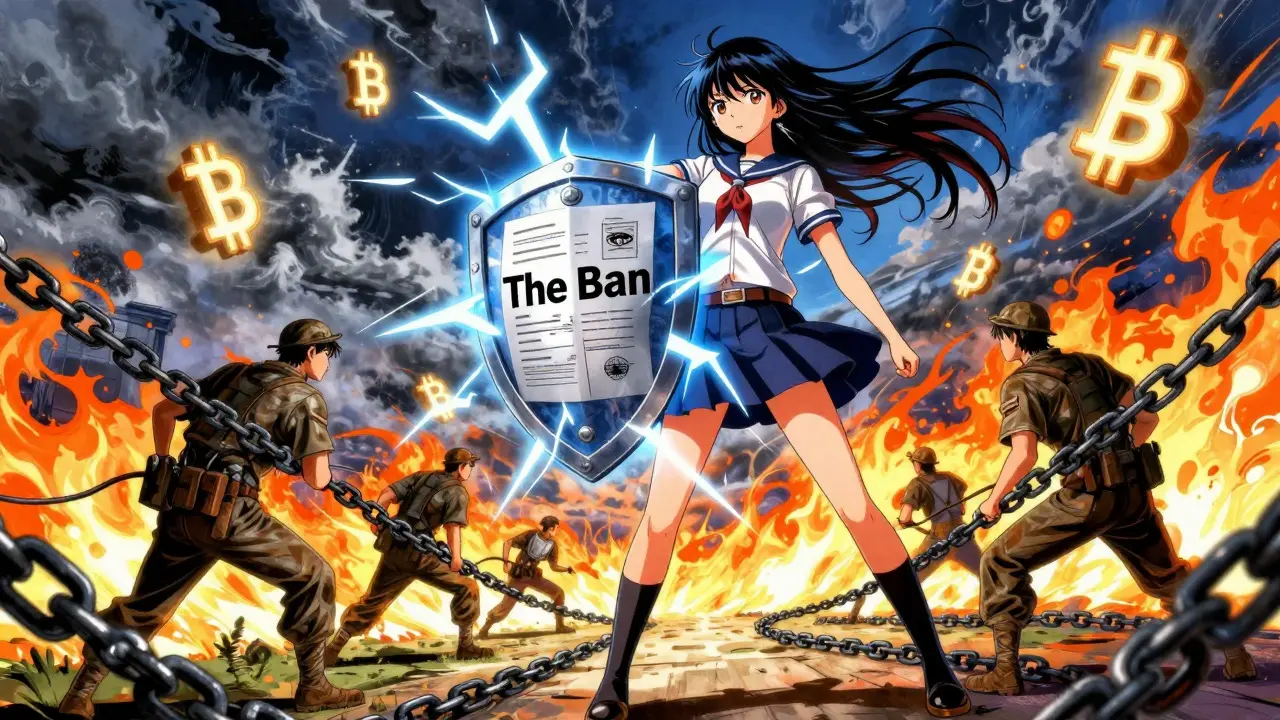
One often-overlooked aspect of Iraq’s ban is energy consumption. Bitcoin mining requires massive amounts of electricity, and Iraq has long struggled with power shortages. The Central Bank of Iraq cited environmental impact as part of its rationale in 2017, making it one of the first countries to address the energy intensity of Proof-of-Work mechanisms.
Global organizations like Greenpeace USA have noted that Iraq joined a growing list of nations targeting energy-intensive mining. By 2024, at least eight countries had outright bans on crypto mining, primarily targeting Bitcoin. Other major economies, such as China, shut down their mining industries in 2021 to meet climate goals and reduce carbon emissions.
In Iraq, however, the environmental argument is intertwined with economic instability. The government prioritizes keeping limited electrical resources available for essential services rather than allowing them to be consumed by speculative mining farms. This practical concern strengthens the resolve against lifting the ban.
| Country | Status (2026) | Key Reason for Restriction | Enforcement Level |
|---|---|---|---|
| Iraq | Banned | Financial crime, consumer protection, energy use | High (Institutional), Low (Individual) |
| China | Banned (Mining & Trading) | Climate goals, capital control | Very High |
| Bolivia | Legalized (Regulated) | Economic modernization | Medium |
| Egypt | Banned | Religious rulings, economic stability | High |
Future Outlook: Will the Ban Lift?
As of mid-2026, there are no signs that Iraq plans to change its policy. The Central Bank continues to issue warnings against digital asset engagement, and the government shows little interest in exploring regulatory frameworks similar to those adopted by neighboring countries or global hubs.
Proponents of legalization argue that a regulated approach could generate tax revenue and bring transparency to the underground market. They suggest that commissions and oversight structures could provide better control than outright prohibition. However, given the current political and economic climate, such reforms seem unlikely in the near term.
For now, the status quo remains: a strict ban on the surface, and a resilient, cautious underground network beneath it. Until the government addresses its concerns about security, regulation, and energy usage, the door to mainstream cryptocurrency adoption in Iraq will stay closed.
Is it legal to own cryptocurrency in Iraq?
Technically, no. The Central Bank of Iraq prohibits the trading, mining, and use of cryptocurrencies. While owning crypto itself may not always lead to criminal charges, engaging in transactions or using digital wallets for speculation is illegal. Enforcement varies, but the official stance is a complete ban.
Why did Iraq ban cryptocurrency in 2017?
The ban was implemented to prevent financial crimes like money laundering, protect consumers from volatile investments, and conserve energy resources. Additionally, religious authorities raised concerns about the compatibility of cryptocurrencies with Islamic law, citing their speculative nature.
Can I mine Bitcoin in Iraq?
No, mining is prohibited. The Central Bank explicitly banned energy-intensive activities like Bitcoin mining due to strain on the national power grid. Doing so risks detection, confiscation of equipment, and potential legal trouble.
How do people trade crypto in Iraq if it's banned?
Traders operate in an underground economy, using peer-to-peer networks, private social media groups, and discreet meetings. They avoid banks and rely on trust-based transactions to minimize risk.
Are there any plans to legalize crypto in Iraq?
As of 2026, there are no announced plans to lift the ban. The government maintains its strict position, citing ongoing concerns about financial stability and regulatory control. Any future changes would likely require significant shifts in both economic policy and religious interpretation.