DOOAR (Ethereum) Crypto Exchange Review: Safety, Fees & Verdict

You want to trade Ethereum. You found a platform called DOOAR, described as an Ethereum-focused cryptocurrency exchange. It sounds specific. It sounds niche. But here is the hard truth: there is zero credible information about this platform on the internet.
In the world of digital assets, silence is not mysterious; it is dangerous. When you search for reviews, regulatory filings, or even basic technical specs for DOOAR, you hit a wall. This isn't just a lack of marketing. It is a major red flag that suggests this might be a fraudulent operation designed to steal your funds.
The Red Flags of DOOAR
Legitimate exchanges operate in the open. They have public teams, registered offices, and clear terms of service. Let's look at what is missing from the DOOAR profile.
- No Regulatory License: There is no record of DOOAR being registered with financial authorities like the SEC, FCA, or ASIC. In June 2026, operating without a license is illegal in most developed markets.
- No Social Proof: Real users leave trails. There are no independent reviews on Trustpilot, Reddit, or CoinMarketCap. If thousands of people were trading Ethereum there, someone would have written about it.
- Vague "Ethereum" Branding: The name implies it only handles Ethereum. Legitimate exchanges support multiple assets to reduce risk. A single-coin focus is often a tactic used by scammers to simplify their fake dashboard scripts.
- Missing Technical Data: There is no whitepaper, no API documentation, and no smart contract audits for any associated wallets.
If a company cannot prove it exists legally, why would you trust it with your money?
How These Fake Exchanges Work
You might be thinking, "But I can log in." That is exactly how they get you. Here is the typical lifecycle of a scam platform like DOOAR.
- The Hook: You see an ad on social media promising high returns or exclusive access to Ethereum trading pairs. The website looks professional, using stock photos and clean design.
- The Deposit: You are asked to deposit funds via wire transfer, gift cards, or direct crypto transfer to a personal wallet address. Notice: they do not give you a unique deposit address generated by their system. They ask you to send ETH to a static address controlled by them.
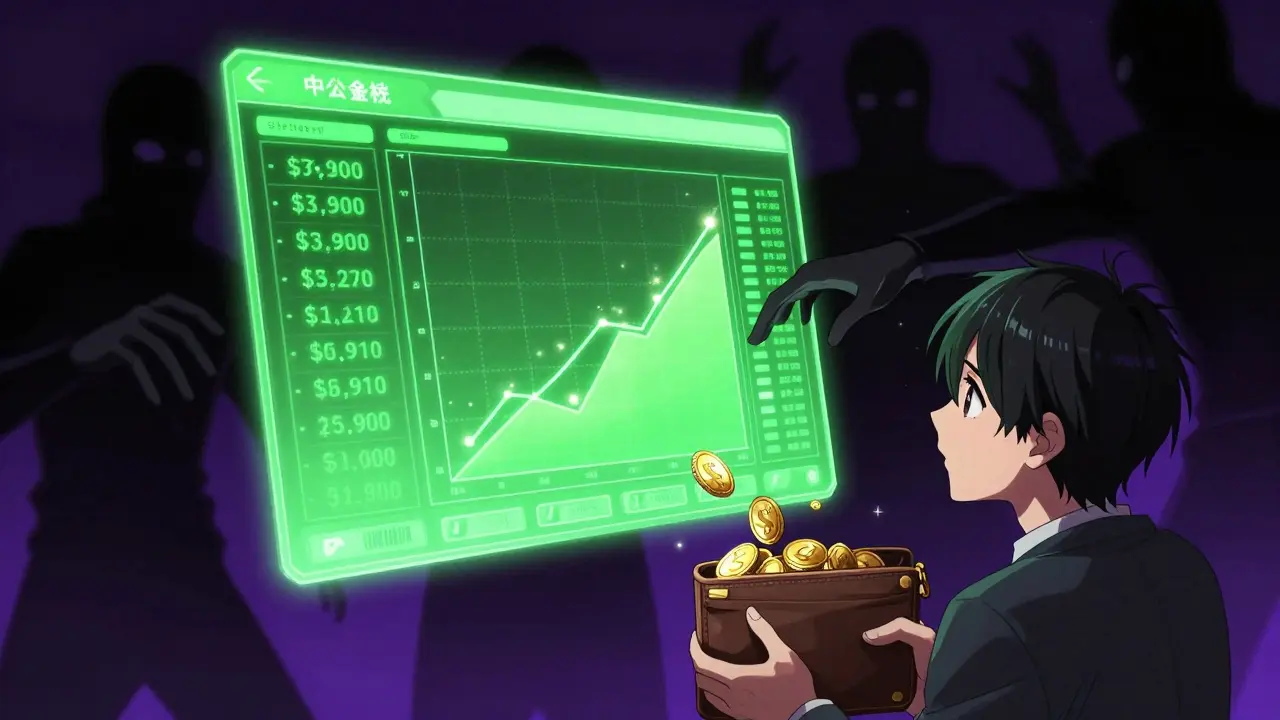
- The Illusion: Once the money is gone, your dashboard shows fake profits. Your balance goes up. Charts move green. It feels real.
- The Block: When you try to withdraw, you are told you must pay a "tax," a "verification fee," or a "security deposit." This is the second theft. You never get the original money back, and you lose more trying to retrieve it.
This pattern is known as an "Advance Fee Fraud" mixed with a "Fake Investment Platform." DOOAR fits this profile perfectly because it lacks the infrastructure to be anything else.
Comparing DOOAR to Legitimate Exchanges
To understand why DOOAR is unsafe, let's compare it against established, regulated platforms where you can actually trade Ethereum safely.
| Feature | DOOAR (Suspected Scam) | Coinbase / Kraken / Binance |
|---|---|---|
| Regulatory Status | Unregistered / Unknown | Licensed in US, EU, UK, etc. |
| Fund Custody | Cold storage unknown (likely hot wallets) | Majority in cold storage, insured |
| Withdrawal Process | Blocked until extra fees paid | Instant or near-instant, no hidden fees |
| User Reviews | None found online | Millions of verified user reviews |
| Team Transparency | Anonymous founders | Public executives with LinkedIn profiles |
The difference is night and day. Legitimate exchanges spend millions on compliance and security. DOOAR spends nothing because it intends to run away with your deposit.
Why "Niche" Ethereum Exchanges Are Suspicious
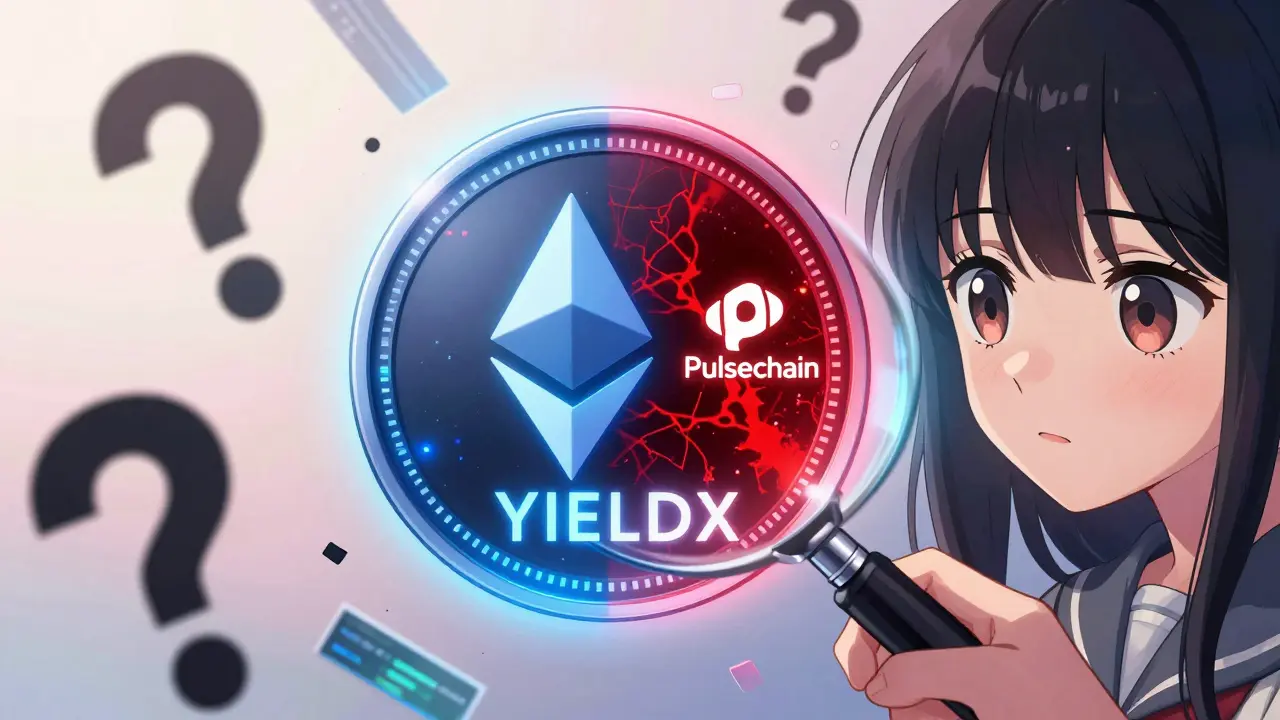
The title of this review mentions "DOOAR (Ethereum)." Why specify Ethereum? Ethereum is the second-largest cryptocurrency by market cap. It is traded on every major platform globally. There is no need for a specialized, obscure exchange just for ETH.
Scammers use specificity to build false credibility. By claiming to be an "Ethereum specialist," they try to sound like experts. In reality, legitimate traders use diversified platforms to manage risk. If an exchange only supports one coin, it usually means:
- They don't have the liquidity engine to handle other coins.
- They are running a simple script that only displays one price chart.
- They want to confuse you into thinking this is a new, innovative product rather than a generic scam template.
In June 2026, the crypto market is mature. Users expect multi-asset support, staking options, and fiat on-ramps. A platform offering only Ethereum trading with no other features is archaic and suspicious.
Security Checks You Must Perform
Before you put even one cent into any exchange, perform these three checks. If DOOAR fails any of them, walk away immediately.
1. Check the Domain Age
Use a WHOIS lookup tool. If the domain for DOOAR was registered less than six months ago, it is likely a scam. Legitimate financial institutions have older domains or subdomains of well-known parent companies. New domains are cheap and easy for fraudsters to set up.
2. Verify the Company Registration
Look for a footer link saying "Terms of Service" or "About Us." It should list a company name and registration number. Cross-reference this number with the official government business registry of that country. For example, if they claim to be in the UK, check Companies House. If the name doesn't match or the company is dissolved, it is a lie.
3. Search for Withdrawal Complaints
Search Google for "DOOAR withdrawal problems" or "DOOAR scam." Do not look at their own website. Look at forums like Bitcointalk, Reddit's r/CryptoCurrency, or Twitter. If you find users complaining about frozen accounts, that is your answer.

Safe Alternatives for Trading Ethereum
Do not take risks with unverified platforms. Use exchanges that have survived market crashes, regulatory scrutiny, and cyberattacks. Here are safe options for trading Ethereum in 2026:
- Coinbase: Publicly traded on NASDAQ. Highly regulated in the US and Europe. Great for beginners.
- Kraken: Known for strong security and no history of hacks. Offers advanced trading tools.
- Binance: The largest exchange by volume. Wide range of features, though regulatory status varies by country.
- CoinSpot (for NZ users): Since we are looking at this from a global perspective, local exchanges like CoinSpot in New Zealand offer AUD/NZD on-ramps with strict compliance.
These platforms charge transparent fees. You know exactly what you will pay before you trade. They also provide customer support that actually resolves issues, unlike the ghosting you experience with DOOAR.
What To Do If You Already Deposited Into DOOAR
If you have already sent money to DOOAR, act fast. Time is your enemy.
- Stop Sending Money: Do not pay any "fees" to withdraw. They will invent new reasons to keep asking for more.
- Contact Your Bank: If you deposited via bank transfer or credit card, call your bank immediately. Report it as fraud. Ask for a chargeback. Success rates vary, but it is worth trying.
- Report to Authorities: File a report with your local cybercrime unit. In the US, use the FTC. In the UK, use Action Fraud. In New Zealand, contact Police Online. Provide all transaction IDs and communication logs.
- Secure Your Accounts: Change passwords for any email or device you used to interact with DOOAR. Assume your data has been compromised.
Recovery is difficult, but reporting helps law enforcement track down the operators and potentially freeze their assets.
Conclusion: Stay Away From DOOAR
The absence of evidence is not evidence of absence, but in finance, it is evidence of danger. DOOAR lacks the transparency, regulation, and community trust required to operate a crypto exchange. The risks far outweigh any potential benefits. Protect your capital by sticking to established, regulated platforms. Your Ethereum is valuable; do not hand it over to ghosts.
Is DOOAR a legitimate crypto exchange?
No, there is no credible evidence that DOOAR is a legitimate exchange. It lacks regulatory licenses, user reviews, and transparent company information, which are standard requirements for legal financial platforms.
Why can't I find reviews for DOOAR?
The lack of reviews suggests the platform is either brand new or fraudulent. Legitimate exchanges have thousands of user interactions online. Silence usually indicates a scam site that disappears quickly after taking deposits.
Can I withdraw my money from DOOAR?
It is highly unlikely. Scam platforms typically block withdrawals and demand additional "fees" or "taxes" to release funds. Once you pay these, they may invent new excuses or shut down the site entirely.
What are safe alternatives for trading Ethereum?
Safe alternatives include Coinbase, Kraken, Binance, and local regulated exchanges like CoinSpot. These platforms are publicly accountable, licensed, and have proven track records of security and customer support.
How do I identify a crypto exchange scam?
Look for red flags such as anonymous teams, unregistered domains, promises of guaranteed high returns, pressure to deposit quickly, and requests for payment via irreversible methods like gift cards or direct crypto transfers.

14 Comments
Write a comment





Nick Rice
June 22, 2026 AT 02:57Look, I know crypto bros love to dig up obscure gems, but this DOOAR thing screams 'rug pull' from a mile away.
I've been in the space since the early days of Bitcoin, and silence is never a good sign for an exchange. If they can't even get a single review on Trustpilot or have a public team with LinkedIn profiles, why would you trust them with your ETH? It's basic due diligence. Stick to Coinbase or Kraken if you want to sleep at night. Don't be the sucker who funds someone's new Lamborghini because they saw a shady ad on Twitter.
Caralee Robertson
June 23, 2026 AT 17:40i mean its kinda sus right? like why would a legit company not have any info online?? i tried looking it up too and found nothing just dead links. feels like a trap honestly
Kelly Tenney
June 24, 2026 AT 20:29You are absolutely right to be cautious here!
It is so important that we look out for each other in these communities because scams are getting more sophisticated every day. When I see platforms that hide their regulatory status or lack social proof, my immediate instinct is to protect my capital and walk away. Let's keep sharing these warnings so others don't fall into the same traps. We have to stay vigilant and support only those exchanges that operate with transparency and integrity. Your safety is worth more than any potential high return promise.
Greg Lewis
June 25, 2026 AT 03:41you think regulation matters though? the system is rigged anyway man. maybe dooar is just trying to escape the surveillance state. who knows what the fca is really doing behind closed doors. silence might just be wisdom in a world of noise. dont let the mainstream narrative fool you into thinking licensed means safe. everything is controlled by the elites regardless
Filbert Reeves
June 25, 2026 AT 16:10oh please spare me the fear mongering. dooar is probably the only honest platform left while coinbase is selling your data to the highest bidder and kraken is front running all their users. you guys are sheep following the herd into slaughterhouses wrapped in compliance paperwork. i bet dooar has better tech than all those legacy scammers combined. typical establishment media trying to kill innovation again. wake up sheeple the real scam is the regulated exchanges that charge hidden fees and freeze accounts whenever the government tells them to. dooar is likely decentralized in ways you cant comprehend because you rely on surface level searches instead of deep web intelligence gathering. also the domain age argument is flawed because many legitimate projects launch quickly to beat competitors to market share. stop being so paranoid about things you dont understand and open your mind to new possibilities outside the matrix
Amit Thakur
June 27, 2026 AT 16:07Listen up folks, this is classic advance fee fraud architecture. The lack of API documentation and smart contract audits is a massive red flag for any serious DeFi participant. In the Indian market, we see these types of phishing sites popping up daily targeting retail investors who don't understand blockchain fundamentals. DOOAR fits the profile of a honeypot script perfectly. They use static wallet addresses which means no multi-sig custody solutions are in place. This is not just risky; it is criminal negligence if you deposit funds there. Use proper KYC compliant exchanges only. Do not engage with unverified entities.
Sonya O'Brien
June 28, 2026 AT 23:45I completely agree with the assessment provided in this article, especially regarding the importance of verifying company registration numbers against official government databases such as Companies House in the UK or similar entities in other jurisdictions, which serves as a critical step in ensuring that the platform is not merely a facade designed to deceive unsuspecting users who are eager to participate in the cryptocurrency market without fully understanding the underlying risks associated with unregulated financial instruments. Furthermore, the observation that legitimate exchanges typically support multiple assets to mitigate risk through diversification is a point that cannot be overstated, as it reflects a fundamental principle of sound financial management that is often ignored by those operating fraudulent schemes who rely on the simplicity of a single-coin focus to mask their inability to provide genuine liquidity or technological infrastructure capable of supporting a robust trading environment. It is also worth noting that the absence of independent reviews on reputable third-party platforms like Trustpilot or CoinMarketCap is not merely an oversight but rather a deliberate strategy employed by scammers to avoid scrutiny and negative feedback that could potentially deter potential victims from engaging with their services, thereby highlighting the necessity for individuals to conduct thorough due diligence before entrusting their digital assets to any platform that lacks a transparent track record and verifiable history of successful operations within the broader cryptocurrency ecosystem.
Charles Pawlikowski
June 30, 2026 AT 12:57typical liberal snowflake complaining about freedom of trade :P if you cant handle risk then stay off the grid. american values are about taking chances not hiding behind regulators. dooar sounds like a patriot move to bypass the fed. keep your nose clean and trade free or go back to kindergarten
Andrea Burd
July 1, 2026 AT 02:29boring read. obviously its a scam but did we need a whole essay? just say no and move on. waste of my time reading all this fluff when i could be trading actual coins on binance. people are so gullible nowadays it makes me sick. next time i see a site like this ill just laugh and close the tab. why bother explaining to idiots who cant see the obvious red flags themselves
Eric Scheinberg
July 2, 2026 AT 13:12The structural deficiencies of DOOAR are evident upon minimal inspection. Regulatory compliance is not optional in mature markets. The absence of whitepapers and audit reports indicates a fundamental lack of operational legitimacy. One should prioritize platforms with established custodial solutions and transparent governance structures. Proceed with extreme caution or abstain entirely from interaction with such entities.
Akeem Whittaker
July 3, 2026 AT 15:26Let's break down why this is dangerous for beginners. First, check the WHOIS data. If the domain is less than six months old, run. Second, look for a physical address. If it's a PO Box or virtual office, be suspicious. Third, try to withdraw a small amount immediately after depositing. If they ask for fees, it's a scam. Simple steps that save thousands. Don't overcomplicate it.
Manish Prajapat
July 4, 2026 AT 22:22In the realm of digital finance, trust is a currency more valuable than Ethereum itself. When an entity refuses to reveal its foundational pillars-team, regulation, and technical architecture-it invites skepticism that is well-founded. The philosophical implication here is that opacity breeds corruption. A platform that operates in shadows cannot claim moral high ground in security. Therefore, the rational choice is to align oneself with institutions that embrace light and accountability. This is not just advice; it is a principle of ethical engagement in the marketplace.
pankaj chawla
July 5, 2026 AT 02:32I suggest everyone bookmark this post. It's a perfect checklist for vetting exchanges. I've seen too many friends lose money to these fake platforms. Always verify the license first. If they don't have one, they don't deserve your business. Stay safe and trade smart.
Jessica Lane
July 6, 2026 AT 15:32This analysis is incredibly thorough and highlights the critical importance of due diligence in the cryptocurrency sector. The comparison table effectively illustrates the stark contrast between regulated entities and unverified platforms like DOOAR. It is imperative that users remain informed and proactive in protecting their assets by utilizing established exchanges with proven track records of security and compliance. Thank you for shedding light on this potential threat.