What is SOMESING (SSG) Crypto Coin? A 2026 Guide to the Karaoke Token

Imagine singing your heart out on a mobile app and getting paid in cryptocurrency for it. That was the promise of SOMESING, a blockchain-based global mobile karaoke platform. But if you are looking at the charts today, you might be wondering why the price looks so different from what it used to be, or even why the ticker symbol changed. You aren't alone. Many users find themselves confused by the shift from the old SSX token to the current SSG token.
This guide cuts through the noise. We will break down exactly what SOMESING is, how its reward system works, what happened during the major security incident in 2024, and whether this micro-cap asset has any real utility left in 2026. If you are holding SSG or thinking about buying it, you need to understand both the technology and the risks involved.
The Core Concept: Blockchain Meets Karaoke
At its heart, SOMESING is not just another speculative coin; it started as an application. Launched in 2018 by a team based in South Korea, the project positioned itself as the world’s first blockchain-based singing content platform. The idea was simple but ambitious: create a social network where users, affectionately called "SingLovers," could record covers of songs and share them globally.
Unlike traditional social media platforms that keep all the ad revenue, SOMESING aimed to use blockchain technology to distribute rewards fairly among creators. The app offers free access to a library of over 40,000 karaoke tracks, with a heavy emphasis on K-Pop and other popular genres. Users can sing, listen, and interact without paying upfront fees. Instead, the economy runs on tokens.
The platform operates on the KAIA blockchain (formerly known as Klaytn). This is a Korean-origin, EVM-compatible public chain optimized for web3 applications. By building on KAIA, SOMESING ensures that transactions are fast and compatible with standard Ethereum tools, which is crucial for a mobile-first user base that expects instant feedback when they post a song.
Tokenomics: From SSX to SSG
If you have been following crypto for a while, you might remember the SSX token. For years, SSX was the native currency of the SOMESING ecosystem. However, market data from mid-2025 onwards clearly shows a migration. Today, the primary trading pair is SSG. This change wasn't just a rebrand; it reflected a restructuring of the token's supply and distribution mechanisms following significant events in the project's history.
| Feature | SSX (Legacy) | SSG (Current) |
|---|---|---|
| Status | Deprecated / Migrated | Active Trading Asset |
| Max Supply | N/A (Old Structure) | 6,000,000,000 |
| Circulating Supply (Approx.) | Varies | ~5.0 Billion |
| Primary Use Case | In-app Rewards & Gifts | Trading & Platform Utility |
The current SSG token has a maximum supply of 6 billion tokens. As of July 2026, approximately 5 billion SSG are in circulation. The circulating supply figure can vary slightly depending on the data provider due to vesting schedules and lock-up periods, but the general consensus places the active float around 70-80% of the total max supply.
How the Reward System Works
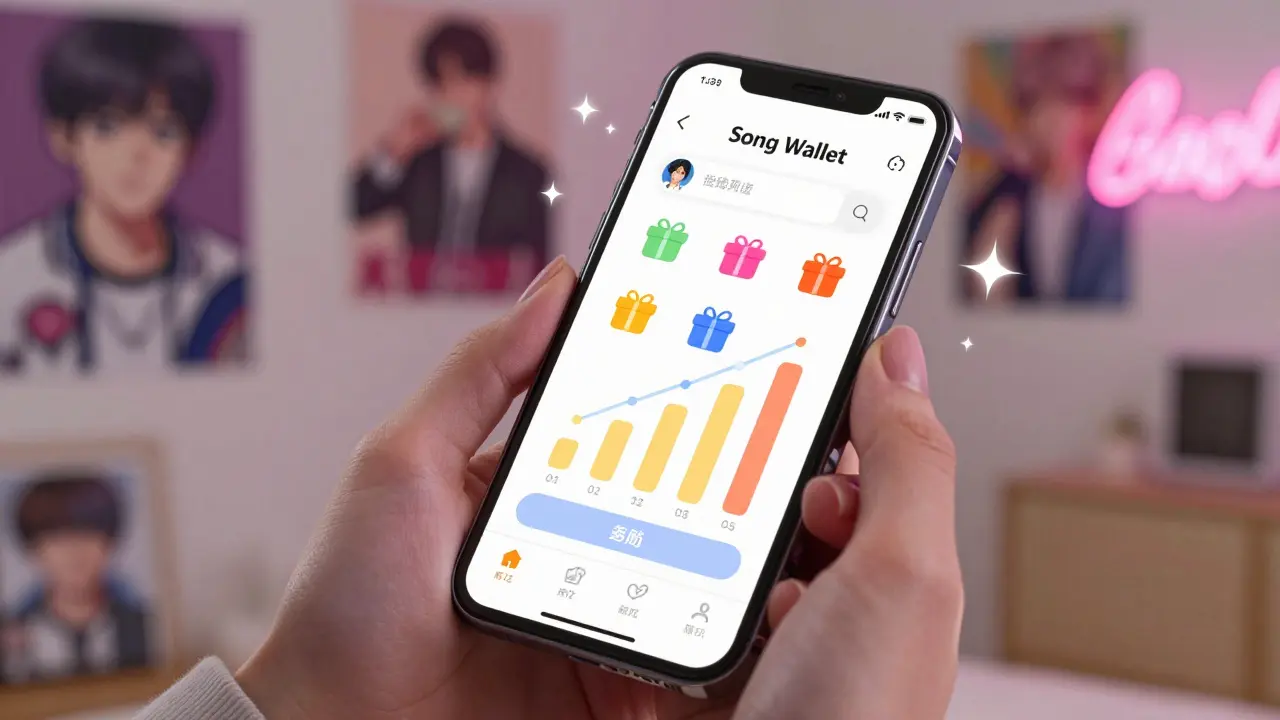
The unique selling point of SOMESING is its "Song Wallet" mechanism. Here is how it functions in practice:
- Content Creation: A user records a karaoke cover and publishes it to the platform.
- Accumulation Phase: During a specific period, other users can send gifts or support to the song. These actions accumulate value in the Song Wallet. In the past, this was tracked via SSX; now, it integrates with the broader SSG ecosystem.
- Distribution: Once the accumulation phase ends, smart contracts automatically distribute the accumulated tokens among stakeholders. This includes the singer, producers, rights holders, and community contributors.
This process removes the need for a central authority to calculate payouts. The smart contract enforces the split based on pre-defined contribution metrics. For example, if a producer contributed 20% to the track's metadata or promotion, they receive 20% of the wallet's balance. This transparency was designed to solve disputes over revenue splits, a common issue in the music industry.
The 2024 Security Incident: What Happened?
You cannot discuss SOMESING without addressing the elephant in the room: the January 2024 security breach. On January 28, 2024, the platform suffered a significant exploit. According to reports from The Block and confirmed by Binance news feeds, the attack resulted in the loss of 730 million SSX tokens.
At the time, those stolen tokens were valued at approximately $11.58 million USD. The impact was immediate. Major South Korean exchanges, including Upbit, Bithumb, and Coinone, halted deposits and withdrawals of SSX at SOMESING's request to prevent further volatility and protect users. The incident highlighted vulnerabilities in the platform's security infrastructure, though forensic details on whether it was a smart contract bug or a private key compromise remain scarce in public documentation.
This event fundamentally shifted market sentiment. It forced the project to migrate away from the compromised SSX structure toward the current SSG model. For investors, this serves as a critical reminder of the risks associated with smaller, niche blockchain projects that may not have the same level of institutional auditing as larger networks.
Market Performance and Liquidity in 2026
Let's look at the hard numbers. As of early July 2026, SSG is classified as a micro-cap asset. The price hovers between $0.00036 and $0.00038 USD per token. With a market capitalization ranging from $1.0 million to $1.2 million USD, SOMESING ranks around #2093 to #2126 on major tracking platforms like CoinGecko and CoinMarketCap.
Liquidity is thin. Daily trading volumes typically range between $11,000 and $18,000 USD. This means that large buy or sell orders can cause significant price swings. If you try to sell a large amount of SSG quickly, you might experience high slippage. The token is primarily traded on centralized exchanges like Gate.io and HTX. Notably, Coinbase lists the price data but does not allow direct trading of SSG, meaning users must bridge funds to other venues.
Historically, the token has seen extreme volatility. Its all-time high was roughly $0.284 USD back in April 2021. Since then, it has experienced a drawdown of nearly 100%, hitting lows below $0.00002 USD in late 2025 before recovering slightly to current levels. This boom-and-bust cycle is typical for entertainment-focused tokens that rely heavily on hype rather than sustained utility growth.
Risks vs. Rewards: Is SSG Worth It?
Deciding whether to engage with SOMESING depends on your goals. Are you a casual singer who wants to monetize their hobby, or are you a trader looking for high-risk, high-reward opportunities?
The Potential Upside:
- Niche Community: SOMESING has a dedicated base of K-Pop fans and karaoke enthusiasts. If the platform grows its user base, demand for SSG could increase.
- Low Entry Cost: Because the token price is fractions of a cent, new users can buy large quantities with minimal capital, which appeals to retail traders.
- Utility: Unlike meme coins, SSG has a functional purpose within the app for rewarding content creation.
The Significant Risks:
- Security History: The 2024 hack remains a red flag for many investors. Trust takes years to rebuild.
- Low Liquidity: Thin order books mean you might struggle to exit positions without impacting the price negatively.
- Competition: The creator economy space is crowded. Larger platforms with deeper pockets are also exploring blockchain rewards, potentially overshadowing SOMESING.
- Regulatory Uncertainty: As a token tied to content creation and potential royalty payments, it faces evolving regulatory scrutiny in jurisdictions like South Korea and the US.
How to Get Started with SOMESING
If you decide to proceed, here is the practical path forward. First, determine if you want to use the app or trade the token.
For Singers and Creators: Download the SOMESING mobile app from your respective app store. Create an account and explore the catalog of 40,000+ tracks. You can start recording immediately. To earn rewards, you will need to understand how the Song Wallet accumulates value. Keep an eye on official announcements regarding any changes to the reward distribution logic, especially as the platform continues to integrate external services.
For Traders: You will need a non-custodial wallet compatible with the KAIA/Klaytn network, such as Kaikas or a multi-chain wallet like MetaMask configured for Klaytn. Then, create an account on a supported exchange like Gate.io or HTX. Deposit USDT or another stablecoin, and swap it for SSG. Be mindful of gas fees on the Klaytn network, although they are generally low compared to Ethereum mainnet. Always double-check the contract address to ensure you are buying the legitimate SSG token and not a scam copycat.
Future Outlook
SOMESING remains operational, but its future hinges on two factors: security improvements and user adoption. The project team has continued to update documentation and maintain exchange listings, indicating ongoing commitment. However, there is no detailed public roadmap with specific dated milestones for major feature releases in 2026. The focus seems to be on stabilizing the token economy post-hack and maintaining the existing user base.
For the token to regain significant value, it needs more than just a loyal niche. It requires broader integration with the wider web3 music ecosystem, perhaps through partnerships with larger record labels or cross-platform interoperability. Until then, SSG remains a speculative asset with a unique cultural angle but substantial historical baggage.
What happened to the SSX token?
The SSX token was the original native currency of SOMESING. Following a major security breach in January 2024 where millions of dollars worth of SSX were stolen, the platform migrated to the SSG token. SSX is now considered deprecated, and most trading pairs have been replaced by SSG. Users holding SSX were typically required to participate in migration processes to convert their assets to SSG, though specifics depend on the exchange and wallet used.
Is SOMESING safe to use after the 2024 hack?
While the platform is still operational, the 2024 hack raises valid concerns about security. The project has moved to the SSG token and operates on the KAIA blockchain, which is generally secure. However, users should exercise caution, use strong passwords, enable two-factor authentication, and only invest amounts they can afford to lose. There is no guarantee that similar incidents cannot occur in the future.
Where can I buy SSG tokens?
SSG is available on several centralized exchanges, including Gate.io and HTX. It is not currently tradable on Coinbase. You can buy SSG using USDT or USD pairs on these platforms. Ensure you are connecting a wallet that supports the KAIA/Klaytn network if you wish to transfer your tokens off-exchange.
How do I earn SSG on the SOMESING app?
Users earn rewards by creating content (recording karaoke covers) and engaging with the community. When other users send gifts or support to your songs, value accumulates in the Song Wallet. After a set period, smart contracts distribute these rewards to contributors based on their involvement. The exact mechanics may evolve, so check the latest in-app guidelines.
What is the maximum supply of SSG?
The maximum supply of the SSG token is 6,000,000,000 (6 billion) tokens. As of mid-2026, approximately 5 billion tokens are in circulation, representing about 83% of the total supply.